Walk into any flooring aisle or scroll through any product page and luxury vinyl plank comes covered in abbreviations: SPC, WPC, mil, wear layer, rigid core. It's easy to feel like you need a technical background to compare two boxes. You don't. Once you understand what a few of those terms mean, it becomes much easier to see why two planks that look almost identical can perform very differently in your home.
How an LVP Plank Is Built
Most luxury vinyl plank is made in layers. On top is a clear wear layer that protects the floor from scratches and scuffs. Under that is the printed design layer that gives the plank its wood look. Below that is the core, which gives the plank its stiffness and stability, and many products add an attached underlayment on the bottom for comfort and sound. The core and the wear layer are the two parts that matter most when you're comparing products.
SPC vs. WPC: The Two Common Rigid Cores
| SPC (Stone Plastic Composite) | WPC (Wood Plastic Composite) | |
|---|---|---|
| Feel underfoot | Firmer and denser | A little softer and quieter |
| Dent resistance | Generally better against heavy furniture | Can dent more under concentrated weight |
| Temperature stability | Very stable | Stable, slightly more movement |
| Typical use | Kitchens, high-traffic areas, slab homes | Bedrooms and living areas where comfort matters |
Both types are typically waterproof, which is a big reason LVP is so popular in central Arkansas, where humidity and slab foundations are part of everyday life. The choice between them is usually about how the floor feels and how much heavy furniture or traffic a room sees, rather than one being better than the other across the board.
Why the Wear Layer Matters More Than Thickness
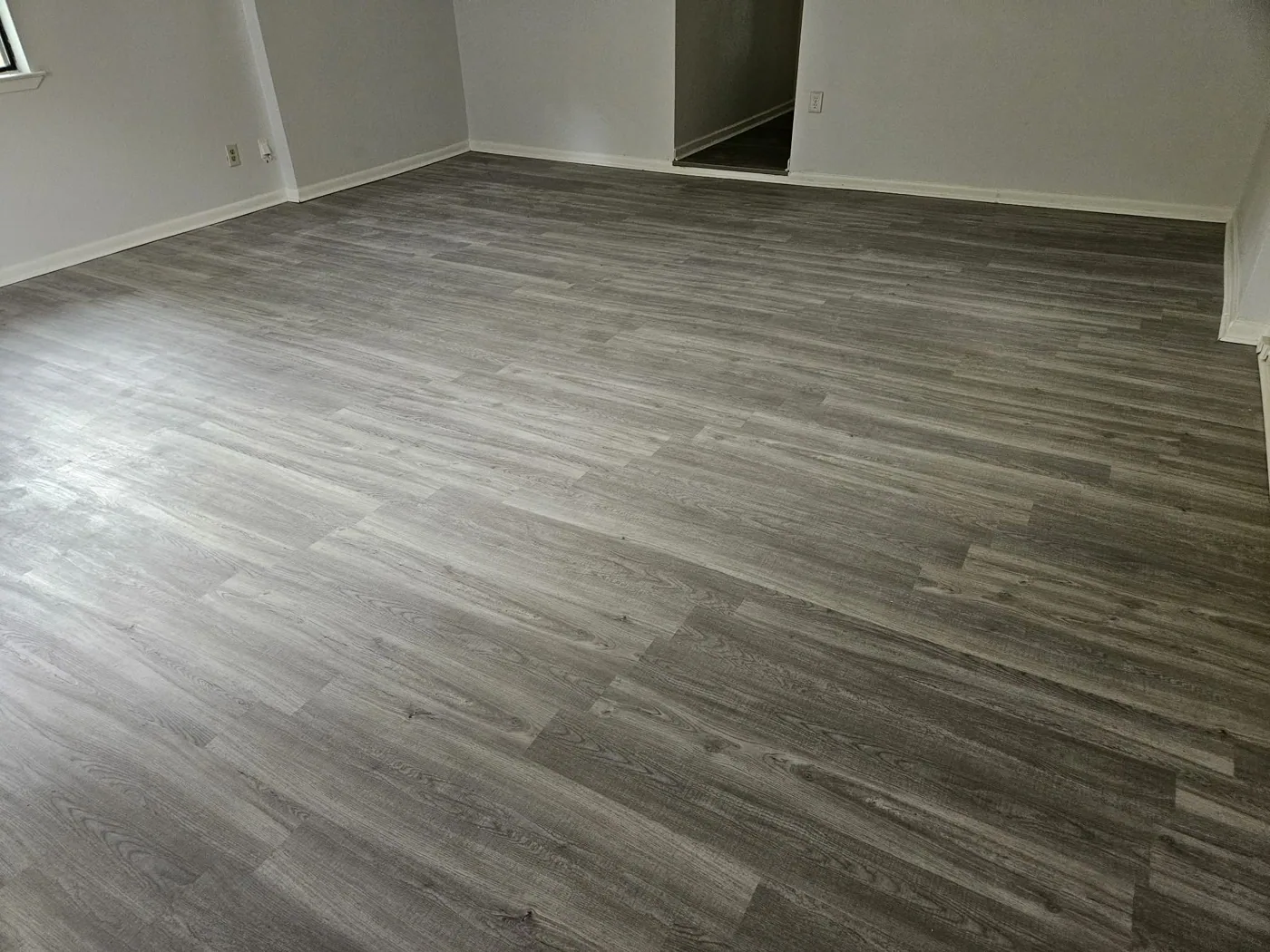
Overall plank thickness gets a lot of attention, but the wear layer is what actually stands between your floor and daily life. It's measured in mils, and a thicker wear layer generally holds up better against pets, kids, and the grit that gets tracked in from outside. For busy households and commercial spaces, we usually point people toward a heavier wear layer. For a guest room that rarely gets used, a lighter one can be a sensible way to save money.
Other Specs Worth a Glance
- Attached underlayment: adds comfort and sound reduction, but check whether an extra underlayment is allowed
- Edge style: beveled edges give a more defined plank look; square edges look more seamless
- Plank size: wider, longer planks make open rooms look larger
- Warranty terms: read what's required for coverage, including installation and care conditions
Let Us Help You Compare
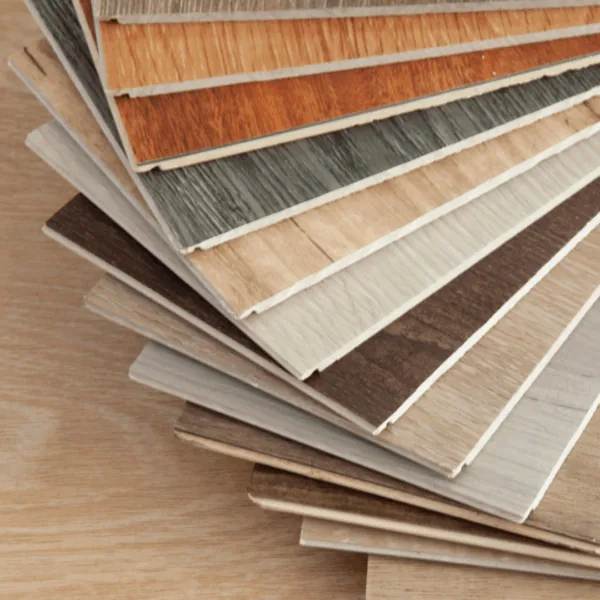
Specs only tell part of the story. During your free estimate, we bring samples so you can feel the difference between cores in your own home and talk through which wear layer fits the way you live. If you're still deciding between LVP and laminate flooring, our comparison guide is a good place to start.
Want to feel SPC and WPC side by side before you decide? We'll bring samples to your home and give you a straightforward quote.
Schedule your free in-home estimate